#AIdidThis
Why the world needs to spend as much effort documenting the implications of AI, as it does the applications

“You think it will never happen to you, that it cannot happen to you, that you are the only person in the world to whom none of these things will ever happen, and then, one by one, they all begin to happen to you, in the same way they happen to everyone else.” Paul Auster, Winter Journal
—————————————————————————————————————
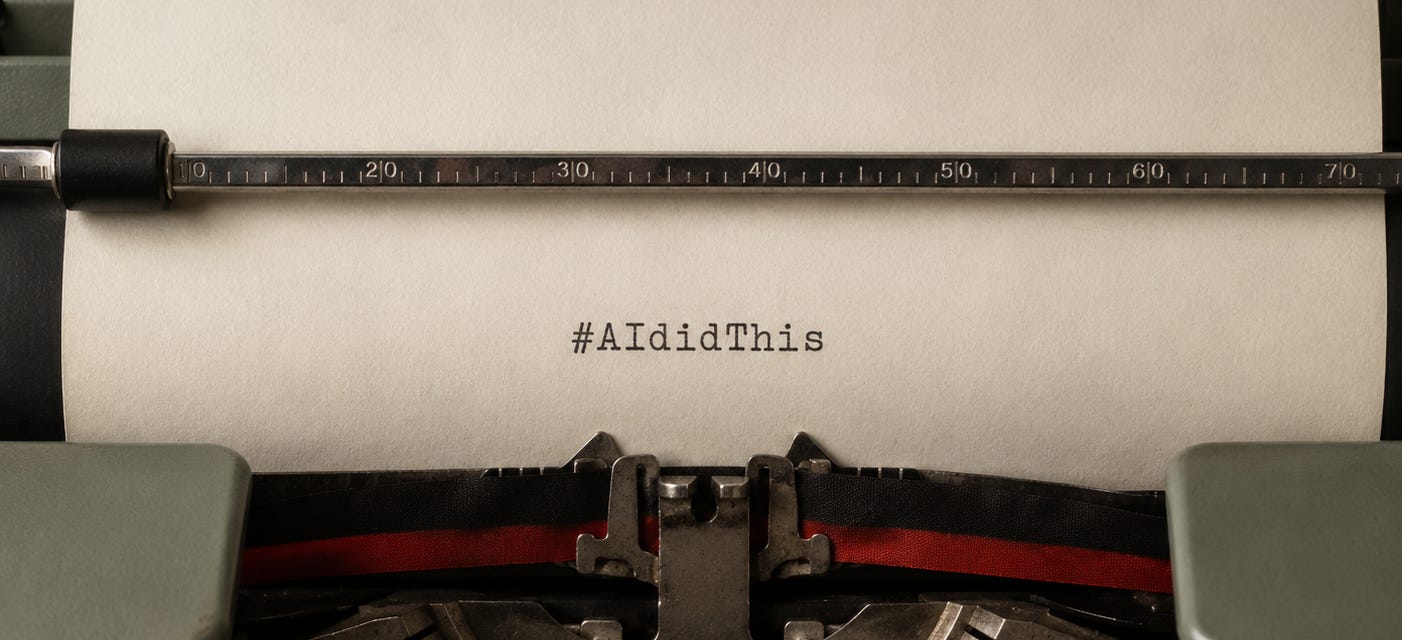
The great American post-modern author, Paul Auster once met his baseball hero as kid and automatically asked for an autograph, only to find neither they nor the nearby crowd had a pen. He attributes the lifelong disappointment of missing that moment as the reason he henceforth always carried one and, since he always had a pen and notebook on his person, why he became a writer.
Auster took a huge pride in his artform and would famously often spend a day’s toil simply perfecting a few lines of prose the old-fashioned way on his Olympia typewriter. For him, writing was an act of turning the details into stories. It was a chance to show that although humanity thinks their experience is unique, it is actually shared. For him, the documentation was a way of seeing - and in this regard he was certainly not alone.
In 2006, around the peak of Auster’s writing powers, a very different story was beginning to be told and in a very different way. Then, the activist, Tarana Burke was beginning a grass roots movement for survivors of sexual violence in marginalised communities in the US. As women came together to heal, they had no idea that their community’s coining phrase - two words to build empathy - would give rise to a global movement of change nearly 20 years later.
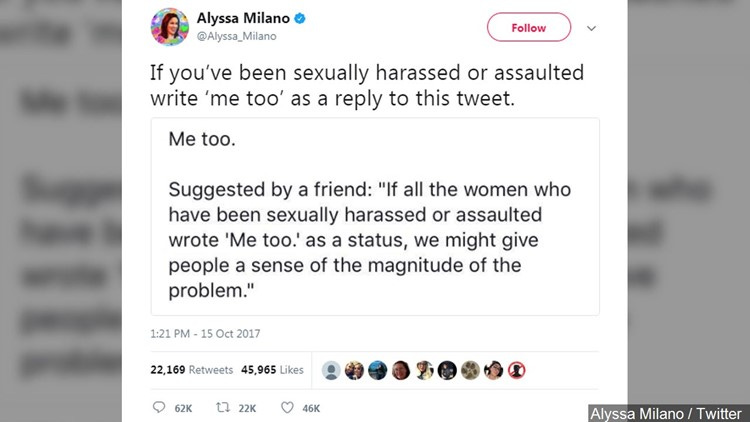
When the actress, Alyssa Milano posted on Twitter in a sign of solidarity with the victims of the emerging Harvey Weinstein scandal, neither she nor Burke would have any idea of what was about to begin. 12 million impressions later and #MeToo went global, connecting victims of abuse across the enabling thousands of stories to come forward together as one abhorrent reality.
These stories have been on my mind as we all try and wrap our heads around the advent of AI. Of course, we hear about the good things it can do all the time. Stock prices are reliant on the application but less the implication. You hear of data centre pollution over here and a job loss over there, but all the millions of small experiences haven’t yet converged into a public story.
Nobody knows what the future of AI holds but one thing I am sure of is that we’re living through a huge societal transformation – and the meaning of that will only emerge if people document what’s actually happening.
When I first thought of a way to catalogue these issues, my first instinct was that we needed a database to record the reality we face; a Wikipedia of AI harms as it were. A place for communities to come together and document the development in real time.
It is a potentially nice idea (I can pitch it more fully if you like) but ask yourself how many people do you know who has ever edited a wiki page? I think I met one once. But social media on the other hand? I think even my Dad has used a hashtag before. And it is why, quite aside from its own potent brilliance, the #MeToo movement is the perfect inspiration for bringing people together, building a community and showing the world the pattern that is emerging. In 2006 Make Poverty History had white wristbands. In 2026 we have hashtags to wrap our messages in.
So, the next time we see a missing person case disrupted because of AI fake images share it and let everyone know #AIdidThis. And when you hear about a business being phished because of AI voice cloning remember #AIdidThis. And when your kids ask you were all the jobs have gone, tell them #AIdidThis.
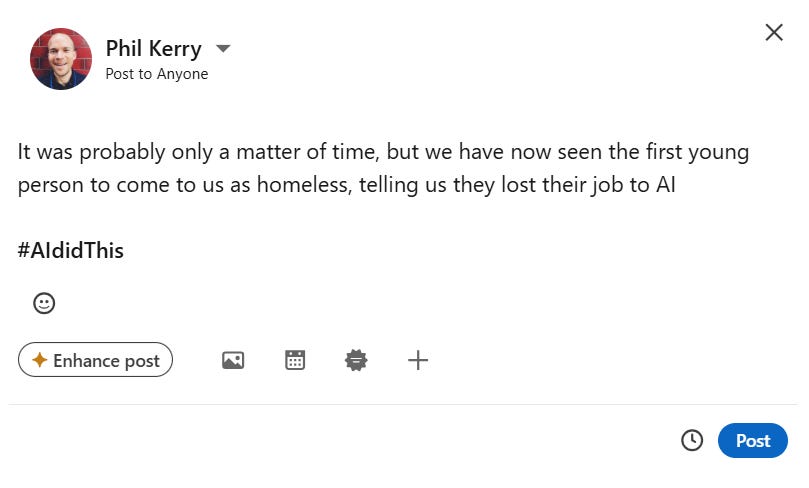
If AI is as transformative as many believe, then we will all need to pay attention - to the good and the bad - and keep the notebook open and share our observations. For as Auster wrote, “The truth of the story lies in the details” but it is a story that will rely on us all to tell it.
The internet has given us the notebook, we just need to remember the pen.